ICourses

  • Languages
  • Mathematics
  • Technology

IIQuick links

  • Check your level
  • For learning centers
  • Pricing
  • Shop
  • About
  • Contacts
  • News

IIISupport

  • How it works
  • FAQ
  • Terms of Service
  • Privacy Policy

IVPreparation

  • IELTS preparation
  • IELTS mock exams
  • IELTS Writing practice
  • IELTS Speaking practice
  • IELTS Reading practice
  • IELTS Listening practice
  • English, A1 to C2
  • IT courses
  • Math

DOWNLOAD OUR APP

Download nowApp Store
Get it onPlay Store
Celestial

English, maths and technology, from your first lesson to your next level.

Follow us
Celestial
Celestial

© 2026 Celestial. Designed by Alisher Khujanov. All rights reserved.

Skip to content
Celestial
CoursesLibraryShopNewsAboutPricing
  1. News
  2. Student experiments reach 122,000 feet on a NASA balloon
STEM Education

Student experiments reach 122,000 feet on a NASA balloon

September 2, 2026Celestial
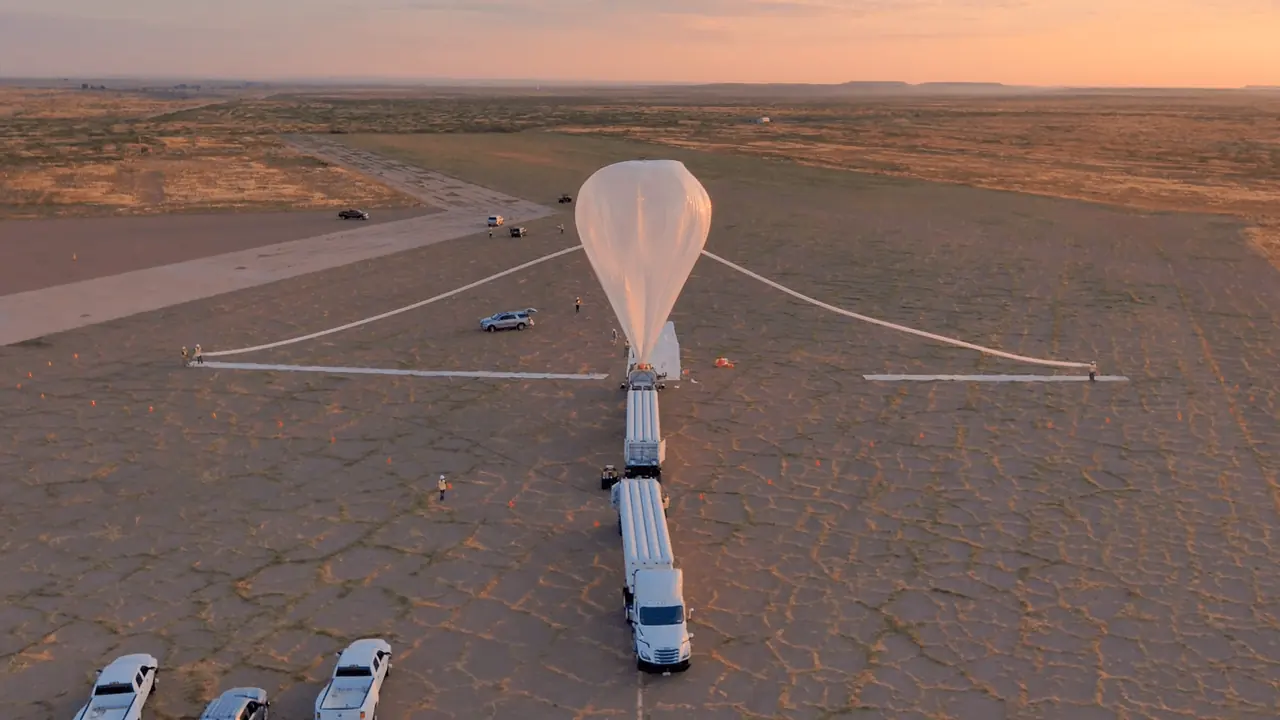
A scientific balloon being prepared for launch at Fort Sumner
Archive image: the HASP balloon at Fort Sumner in 2024, used by NASA to illustrate the programme. Photo: NASA (opens in a new tab)

On 2 September 2026, NASA reported the launch of its High-Altitude Student Platform from Fort Sumner, New Mexico. Student-built experiments reached about 122,000 feet during a flight lasting six hours and 45 minutes.

This was the platform’s 20th flight. Across two decades, more than 1,900 students from around 25 US institutions have taken part, according to NASA. The programme offers a concrete example of classroom science becoming working hardware.

For a smaller project of your own, try designing a ground-based weather station: choose a measurement, log sensor readings and compare your results with a nearby weather record. The useful habit is the same: document how you know your instrument is working.

Sources & further reading

  • NASA

    Read the September flight report(opens in a new tab)
  • NASA STEM

    Explore the student platform programme(opens in a new tab)